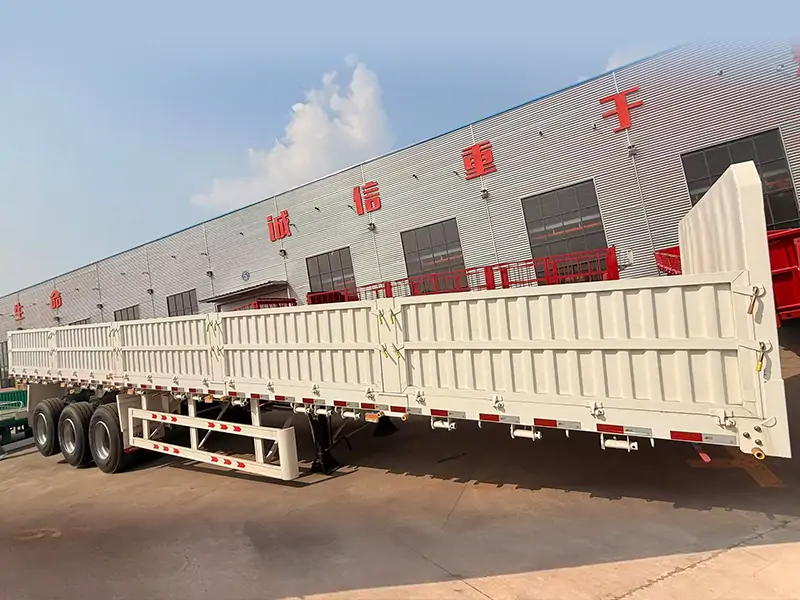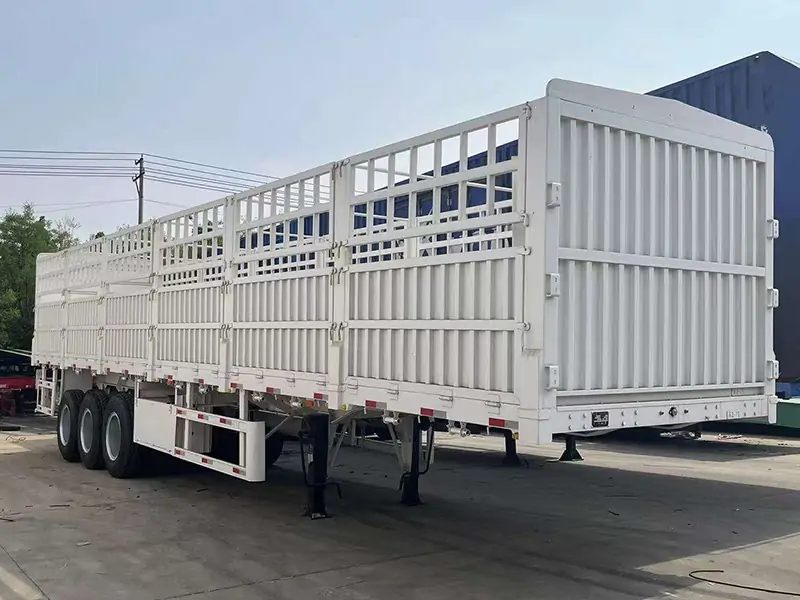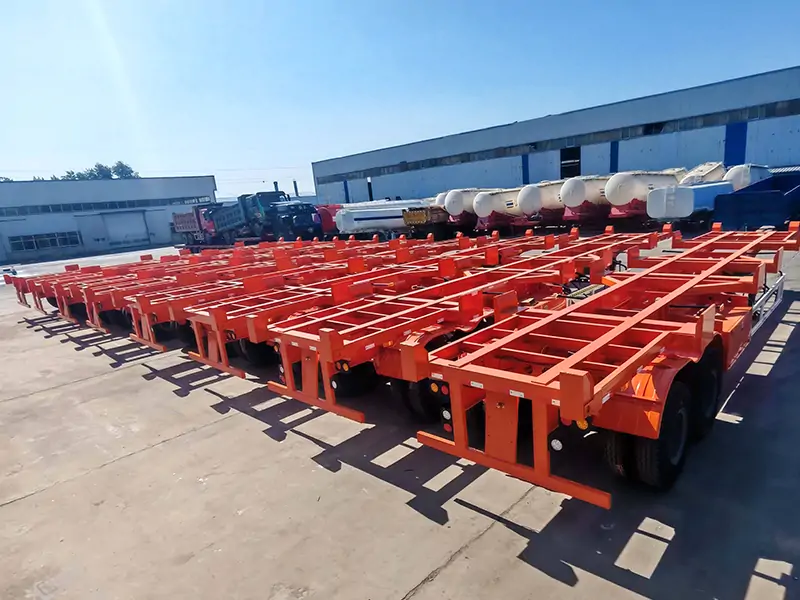

















The rapid electrification of Senegal’s transportation sector, driven by its national electric vehicle (EV) transition project, has created a surge in demand for specialized car carrier semi-trailers. As China-Africa logistics corridors expand, optimizing轿运车 (car carrier semi-trailers) shipments to Dakar Port requires adherence to regulatory frameworks, technical compliance, and multimodal transport strategies.
1. Regulatory Compliance: CTN Mandate
All shipments to Senegal must include a pre-validated Cargo Tracking Note (CTN) per commodity item, as enforced since March 2019. Non-compliance risks cargo detention or fines by COSEC (Senegalese Customs Authority). For car carriers, the CTN must detail vehicle specifications (e.g., EV battery type, gross weight) and semi-trailer dimensions (e.g., 40’ FEU container compatibility).
2. Technical Adaptations for West African Conditions
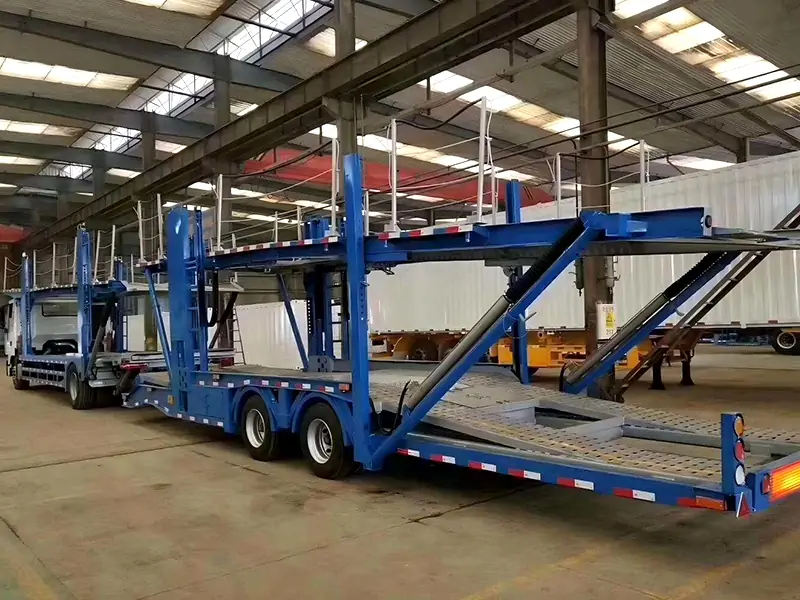
Senegal’s tropical climate and rugged terrain demand reinforced semi-trailer designs. For instance, Ruisilaifu’s custom tires for Senegal feature high-dispersion silica compounds to withstand 50°C temperatures and 30% longer tread life. Similarly, car carriers must integrate anti-corrosion coatings, hydraulic gooseneck couplings, and extended rear overhangs (≥1.5m) for stability on sandy roads.
3. Multimodal Transport Efficiency
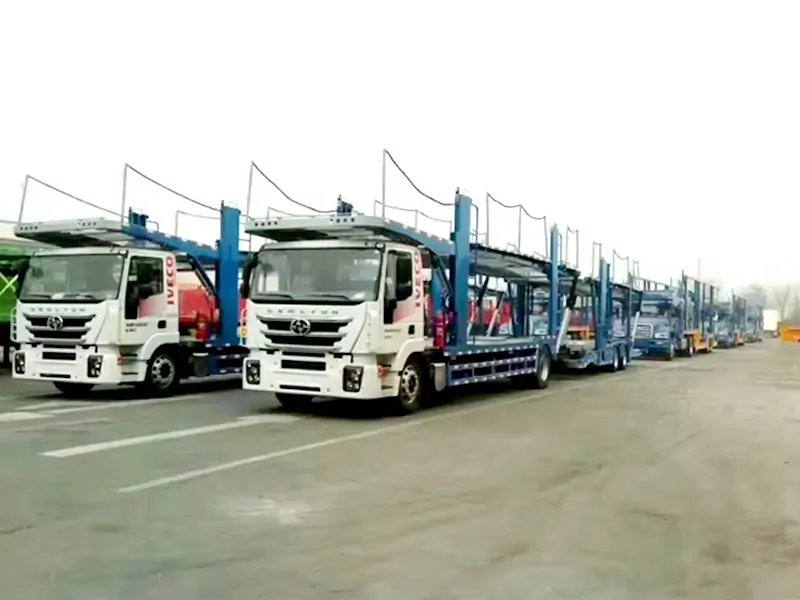
Leveraging Dakar Port’s container yard (CY/CY) infrastructure, car carriers can be transloaded from mother vessels to feeder barges for inland distribution. For example,福田汽车’s 100-unit heavy-truck delivery to Senegal utilized hybrid rail-road transport, reducing transit time by 40%. Digital tools like real-time GPS tracking and blockchain-based CTN verification further streamline operations.
Conclusion
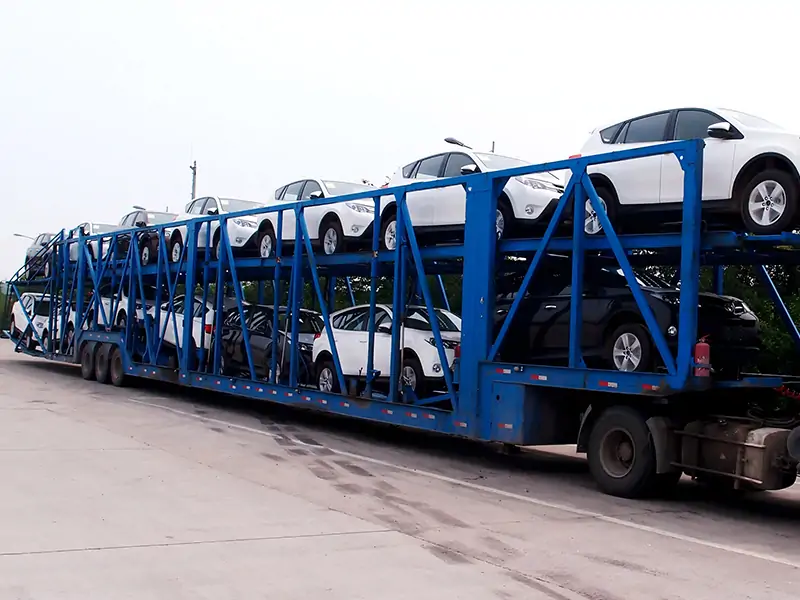
By integrating regulatory diligence, localized engineering, and smart logistics, car carrier shipments to Senegal can achieve 98% on-time delivery rates while supporting the nation’s green mobility revolution.