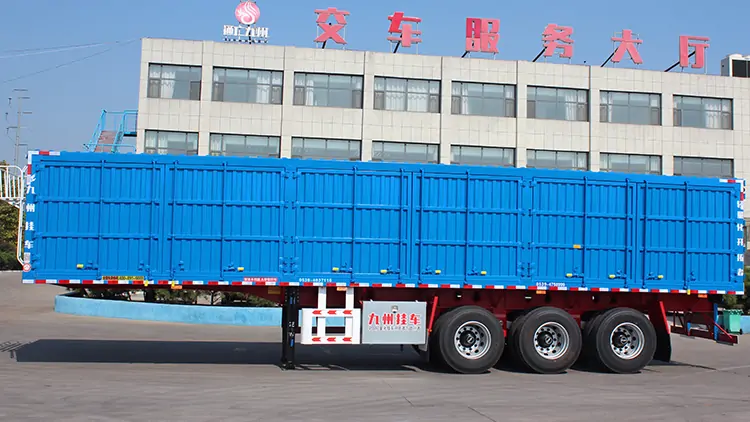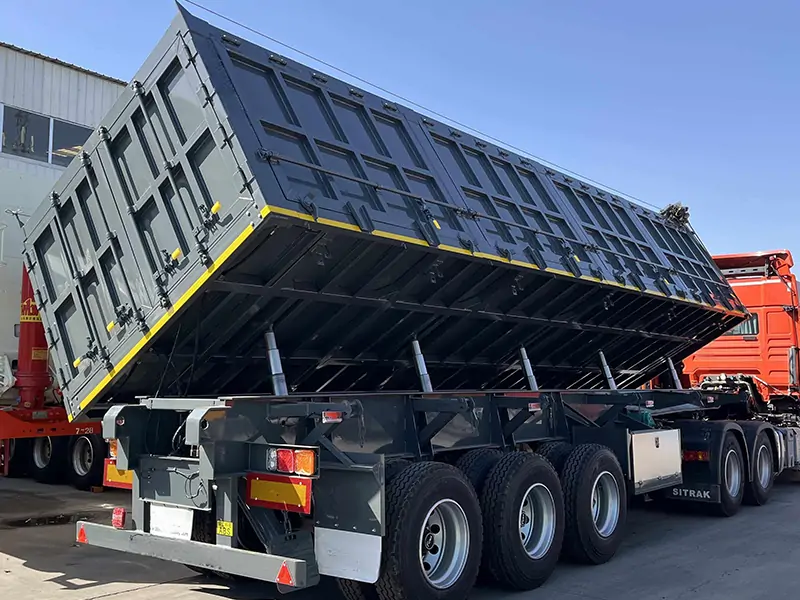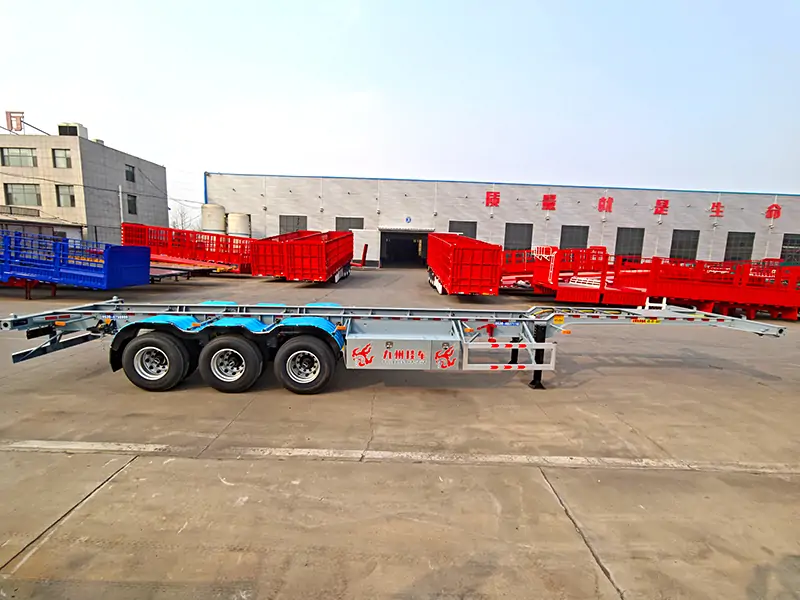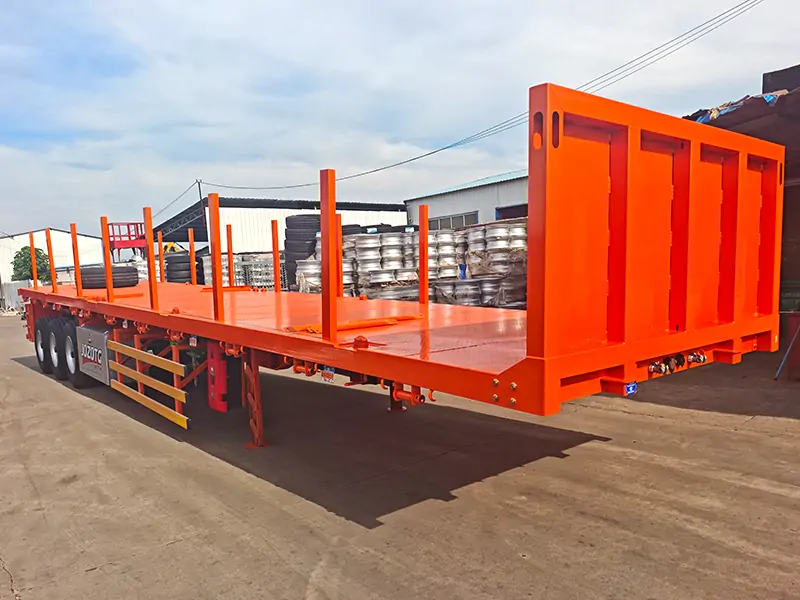
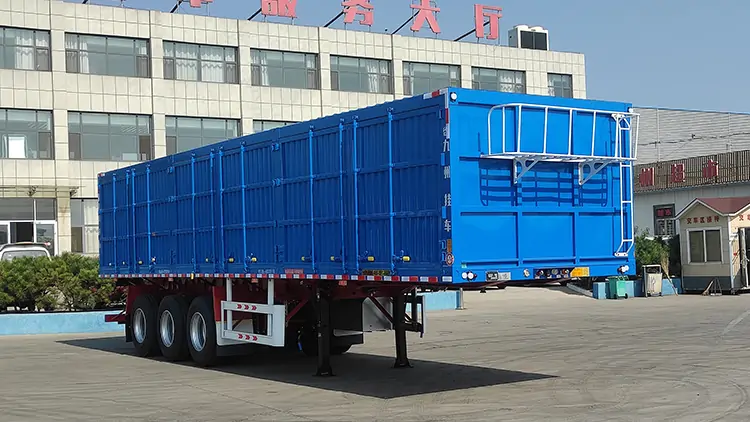
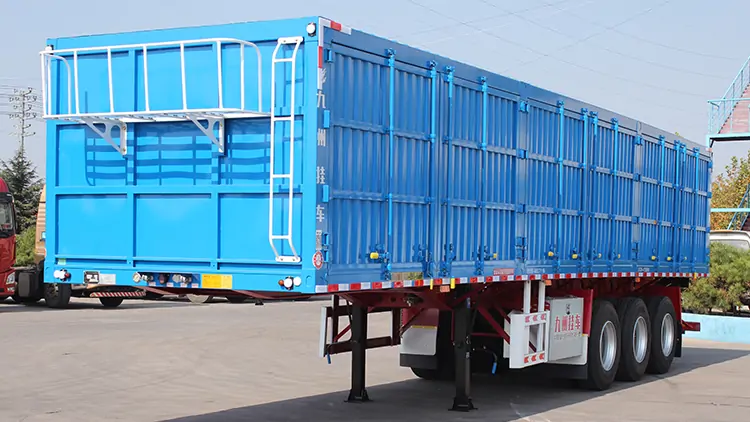
Box-type semi-trailers have become indispensable assets in modern logistics due to their versatile design and robust functionality. These vehicles, characterized by enclosed cargo compartments, are engineered to transport a wide range of goods while ensuring safety, efficiency, and cost-effectiveness.
Key Applications
- High-Value Goods Transportation
The enclosed structure of box-type semi-trailers provides optimal protection against weather, theft, and damage. This makes them ideal for transporting electronics, pharmaceuticals, luxury goods, and other sensitive items. For instance, a 12.5-meter box-type semi-trailer with a load capacity of 34 tons is commonly used to deliver medical supplies across regions, maintaining product integrity through climate control and secure locking systems. - Bulk Cargo Handling
Equipped with high-strength cold-rolled corrugated steel panels and X-shaped bracing, these trailers efficiently carry bulk materials such as textiles, coal, and construction aggregates. Their spacious interiors (up to 2,400mm in height) accommodate large volumes, while reinforced suspension systems ensure stability during long-haul journeys. A case in point is their use in transporting automotive parts from manufacturing hubs to assembly plants, reducing packaging costs by 30% compared to open-top trailers. - Specialized Logistics Solutions
Customizable configurations, including push-open doors, retractable roofs, and partitioned compartments, cater to niche logistics needs. For example, food-grade box trailers with stainless steel interiors are deployed to transport perishables like dairy products, adhering to hygiene standards. Similarly, temperature-controlled units maintain -25°C to +25°C ranges for cold chain logistics, ensuring freshness during transit. - Intermodal Transport Integration
Box-type semi-trailers seamlessly integrate with multimodal systems, such as rail-road and sea-road combinations. Their standardized dimensions align with container specifications, enabling direct transfer between ships, trains, and trucks without repackaging. This capability reduces handling time by 40% at ports like Shanghai and Shenzhen, enhancing global supply chain efficiency.
Technological Advancements
Modern box-type semi-trailers incorporate lightweight aluminum alloys and aerodynamic designs to cut fuel consumption by 25%. Advanced safety features, including ABS braking and electronic stability control, minimize accident risks during high-speed travel. Additionally, IoT-enabled tracking systems provide real-time visibility into cargo location and condition, empowering logistics managers to optimize routes and reduce delays.
Conclusion
From safeguarding high-value items to streamlining bulk transport and enabling intermodal operations, box-type semi-trailers are revolutionizing logistics. Their adaptability, durability, and technological integration position them as critical tools for businesses aiming to enhance efficiency and sustainability in a competitive market.