
















Tank semi-trailers play a pivotal role in the global petroleum logistics sector, enabling efficient and safe transportation of liquid fuels, chemicals, and gases across long distances. These specialized vehicles are engineered with advanced materials and safety features to meet stringent industry standards, ensuring compliance with international regulations such as ADR (European Agreement concerning the International Carriage of Dangerous Goods) and DOT (U.S. Department of Transportation) requirements.
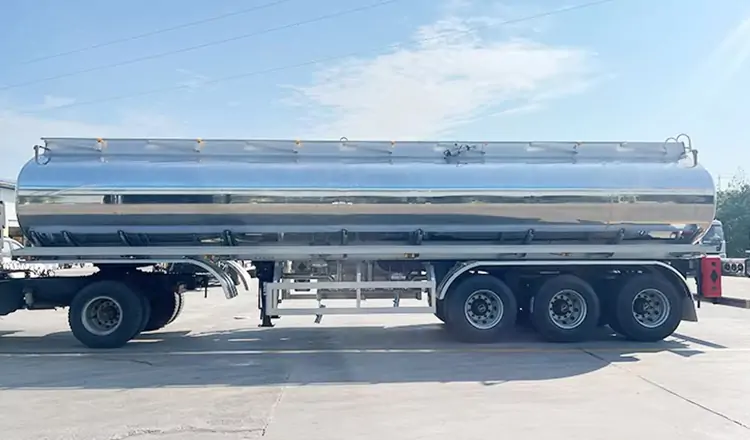
Modern tank semi-trailers are constructed using lightweight yet durable materials like aluminum alloy or stainless steel, reducing tare weight while enhancing corrosion resistance. The cylindrical tank body is divided into multiple compartments via bulkheads, allowing simultaneous carriage of different fuel grades or chemicals. Key safety components include emergency shut-off valves, vapor recovery systems, and anti-static grounding mechanisms to prevent ignition risks during loading/unloading.
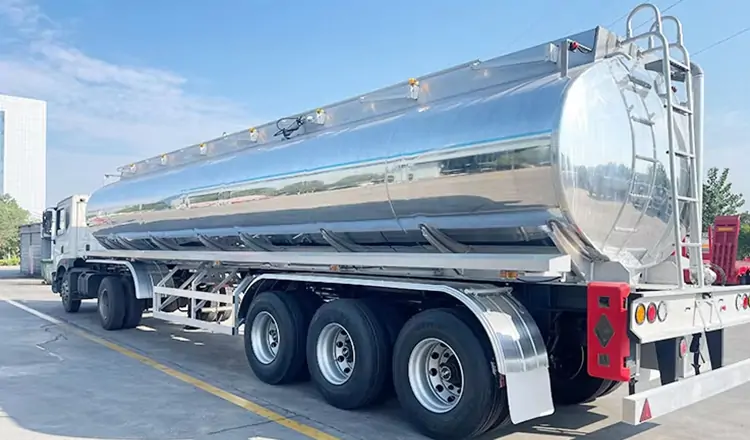
In terms of operational efficiency, these trailers feature advanced loading/unloading systems with quick-release couplings and digital flow meters, minimizing turnaround time at terminals. Many models also incorporate telemetry systems for real-time monitoring of tank pressure, temperature, and fuel levels, enabling proactive maintenance and reducing spill risks.
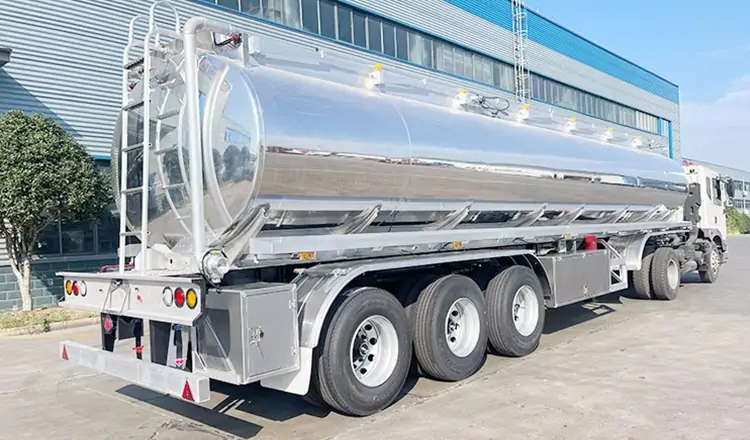
The global shift toward cleaner energy has further expanded their applications, with tank semi-trailers now transporting biofuels, hydrogen, and LNG (liquefied natural gas) alongside traditional petroleum products. This adaptability underscores their indispensability in modern logistics networks.